

How to plan printing and binding for commercial projects in Hong Kong
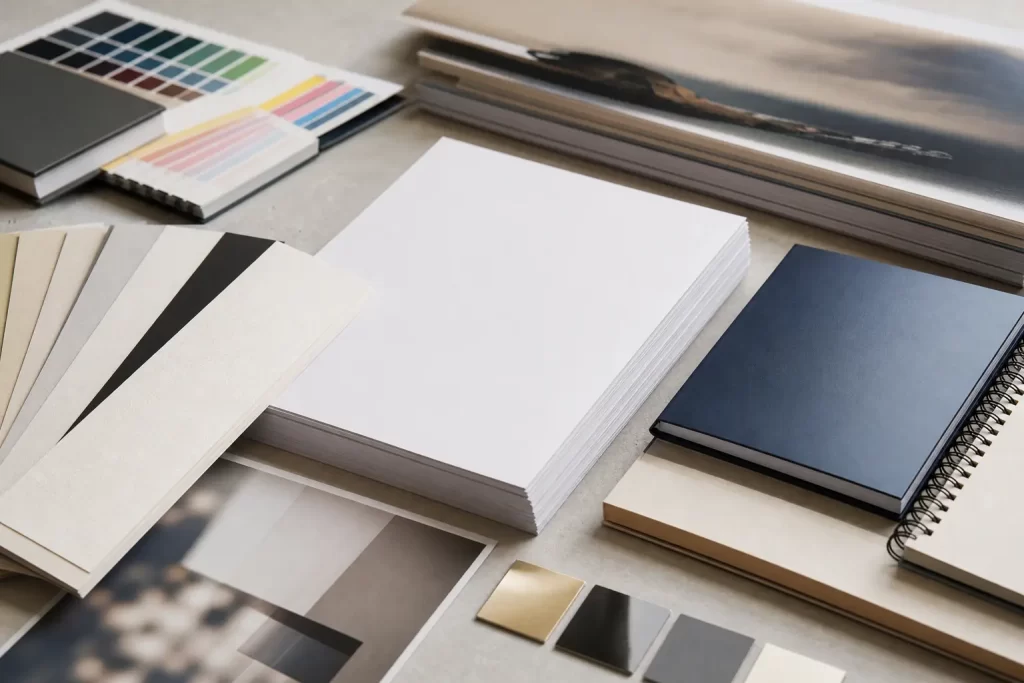
Effective print planning reduces cost, minimises delays and protects design intent. This guide explains the practical decisions that determine quality and risk for commercial print jobs in Hong Kong: scope, process, materials, finishing, binding and prepress checks. It focuses on business-scale projects such as books, packaging, labels, stationery, menus and event materials. Use market-intent tools such as DataForSEO to validate demand and keyword signals for the planned formats and quantities.
Clarify project scope and deliverables
Start by defining what you need to deliver and how it will be used. Record: final formats (trim sizes, page counts), quantities, target markets, colour requirements (CMYK, spot or mixed inks), and any finishing or binding needs. Distinguish between items that must match across a campaign (colour, paper grain, dielines) and one-off items where slight variation is acceptable.
Choose the right print process
Two commercial print families are most relevant: offset and digital. Offset suits larger runs and delivers consistent colour and economy at scale. Digital offers flexibility for variable data, short runs and quicker revisions. Select the process that matches run length, file complexity and the degree of colour control required. For packaging and labels, check compatibility of inks and substrates with intended use (food contact, moisture exposure or outdoor use) at the specification stage.
Select paper and substrates with function in mind
Paper choice affects look, tactile quality and finishing performance. Consider grammage and finish (coated, uncoated, silk) relative to handling, folding and binding. For packaging and labels, substrate strength and barrier properties matter. Discuss recommended stock options early so dielines, folds and glue areas can be engineered to match the chosen substrate.
Plan finishing and embellishments early
Finishing choices-foil stamping, embossing and debossing, spot UV, die or laser cutting-can alter how artwork must be prepared. Specify where foil blocks and embossing areas will sit in relation to folds, perforations and seams. Some embellishments require minimum clearances or registration tolerances; integrate these constraints into artwork and dielines at design stage to avoid rework.
Understand binding options and their implications
Binding choice affects page layout, gutter allowance and sheet sequencing. Common commercial bindings include perfect binding for paperback books, sewn binding for durable volumes, and various case bindings for hardcovers. Saddle stitching is efficient for lower page counts but limits spine design. Coordinate trim, gutter and pagination with the binder so images and text do not fall into the spine or get lost in fold margins.
Prepare files and request appropriate proofs
Deliver print-ready files with embedded fonts, linked images at print resolution and clear layer organisation. Supply dielines and separate sheets for varnish, foil and cutting where needed. For colour-critical work, request a contract or calibrated proof to validate colour and paper interaction. Include crop marks, bleed and clear file naming to reduce ambiguity in prepress.
Quality checks, compliance and logistics
Agree acceptance criteria for visible defects and finishing tolerances before production starts. For packaging and labels, verify artwork placement against structural mock-ups. Confirm shipping and handling requirements so packaging strength and stacking patterns are suitable for transit. If multiple items must match across print runs, plan a colour control workflow to minimise batch-to-batch variation.
Common pitfalls and a short checklist
Typical issues include missing bleeds, incorrect dielines, insufficient gutter, and embellishments placed on folds. Use this checklist before sign-off: confirm final trim and bleed; verify paper/substrate choice for the job environment; check binding method against page count; supply separate plates/layers for special finishes; request a physical or calibrated proof for colour-critical work.
Summary
Well-structured decisions at project start – defining scope, selecting process and substrate, coordinating finishing and choosing binding – keep commercial print projects on brief and reduce costly revisions. Clear files and agreed proofing standards protect design intent and help ensure consistent results across runs and formats. For businesses in Hong Kong producing books, packaging, labels, stationery, menus or event materials, these steps form a practical print-planning workflow.
Discuss your print project or request a tailored quote from PrintPlus.